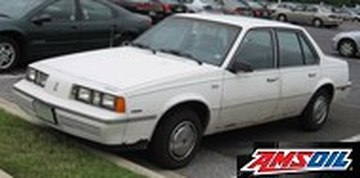
Engine Lubrication Care for the 1982 Oldsmobile FIRENZA 1.8L
Maintaining the mechanical integrity of a vehicle like the 1982 Oldsmobile FIRENZA requires a disciplined approach to routine service. While many aspects of automotive care involve complex systems, the management of engine lubrication remains one of the most fundamental tasks for any owner. For an engine with a 1.8L displacement, ensuring that the internal components receive consistent and clean lubrication is vital for long-term operation.
Monitoring Fluid Condition and Potential Leaks
A proactive approach to maintenance involves regular visual inspections of the engine bay. Rather than waiting for a warning light or a significant mechanical change, owners can benefit from observing the vehicle during routine checks. One of the primary indicators of lubrication health is the presence of fluid seepage. Inspecting various sealing surfaces and gaskets for signs of moisture or residue can help identify issues before they escalate.
When performing these inspections, look for any evidence of fluid accumulation around the engine block or on underbody components. It is important to note that a small amount of seepage may be associated with several different factors, including age-related changes in gasket material. If you notice unexpected fluid loss or changes in how much oil the engine seems to use between service intervals, these symptoms warrant further investigation by a qualified technician.
Additionally, checking the appearance of the lubricant itself can provide useful information. While modern lubricants are designed to remain stable, any significant discoloration or unusual texture should be noted. Maintaining a clean environment around the oil fill cap and dipstick area also helps ensure that contaminants do not enter the system during routine checks.
Prioritizing Maintenance Through Documentation
For owners of a 1982 Oldsmobile FIRENZA, establishing a clear maintenance baseline is an effective way to manage the vehicle's longevity. If you have recently acquired this vehicle and do not have access to its full service history, your first priority should be to document its current state. This involves recording the current mileage, the type of lubricants currently in use, and any recent repairs or component replacements.
A well-maintained logbook serves several purposes:
- It helps distinguish between routine preventive maintenance and unexpected repairs.
- It allows you to track changes in fluid consumption or mechanical behavior over time.
- It provides a clear history that can be useful if the vehicle is ever serviced by a new technician.
As a vehicle ages, maintenance priorities may shift from simple interval-based changes to more condition-based monitoring. Instead of assuming parts need replacement based solely on the calendar, use your records and physical inspections to make informed decisions. Addressing active leaks or investigating unusual mechanical noises as soon as they are detected is far more efficient than managing a significant mechanical failure later.
Observing Potential Lubrication Warning Signs
While many lubrication issues develop gradually, some signs may appear more abruptly. It is essential to remain observant of how the 1.8L engine behaves during different operating conditions. For instance, if you notice unusual mechanical noises that seem related to the engine's internal operation, this can be associated with various lubrication or mechanical factors and should be investigated promptly.
Other indicators to monitor include:
- Changes in exhaust characteristics that may suggest changes in how the engine is managing fluids.
- The appearance of warning indicators on the dashboard, which require immediate attention.
- Evidence of overheating, which can sometimes be linked to improper lubrication or cooling system issues.
It is important to remember that these symptoms are not definitive diagnoses. A single symptom, such as a specific odor or noise, can have multiple underlying causes. Rather than attempting to identify a specific failed component yourself, use these observations as a prompt to seek professional diagnostic services.
Managing Aging Components and Materials
Vehicles from the early 1980s utilize various materials that are subject to changes over decades of use. When inspecting the 1982 Oldsmobile FIRENZA, it is practical to look at age-sensitive components. This includes checking the condition of accessible belts, if equipped, for signs of cracking, glazing, or fraying. Similarly, if any hoses are present in the engine compartment, they should be inspected for brittleness or soft spots.
Electrical connections and wiring harnesses should also be checked for signs of corrosion or insulation degradation. Ensuring that all electrical connectors are secure and clean can prevent intermittent issues that might otherwise be difficult to diagnose. By focusing on these physical inspections, you can move from a reactive maintenance style to a more preventive one, addressing the natural aging process of the vehicle's components in a controlled manner.
Selecting Appropriate Lubricants for Long-Term Care
The choice of engine oil is a critical component of the lubrication strategy. For an older engine, some owners consider different formulations to address specific needs. For example, some high-mileage oil formulations contain additives intended for use in aging engines, and some high-mileage formulations include seal-conditioning additives. These products are designed with the goal of supporting older seals and managing the specific requirements of higher-mileage operation.
When deciding between conventional, synthetic blends, or full synthetic oils, consider the overall maintenance goals for the vehicle. Synthetic oils often provide different thermal stability and oxidation resistance characteristics compared to conventional oils. However, the most important factor is ensuring that any lubricant you select matches the specific requirements of your engine's design and current condition.
Practical Advice for Buying Engine Oil for a 1982 Oldsmobile FIRENZA 1.8L
When you are ready to purchase new lubricant, do not rely on general automotive knowledge or assumptions based on the vehicle's age to determine the correct grade. The most reliable way to ensure compatibility is to match the engine oil to the application-specific viscosity information already displayed on this webpage.
Before completing your purchase, follow these steps:
- Verify that the product labeling matches the specific requirements listed in the application information provided above.
- Check for appropriate API certifications on the bottle to ensure the oil meets modern quality standards.
- If you are choosing a high-mileage formulation, ensure it is appropriate for your engine's current condition and service history.
- Always confirm that the viscosity grade is exactly what is required for this 1.8L application, as using an incorrect grade can affect engine performance.
By strictly adhering to the application-specific data provided on this page, you ensure that your 1982 Oldsmobile FIRENZA receives the correct lubrication necessary for its continued operation.